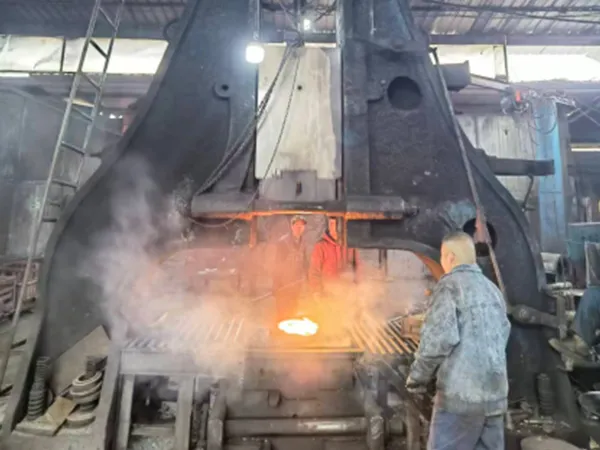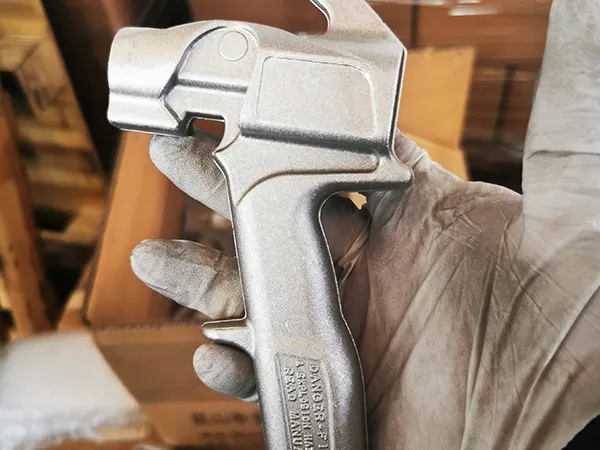
Forging shapes metal by applying pressure through forging machinery, deforming the billet to produce parts with defined mechanical properties, shape, and dimensions. Compared with castings, forged metal has an improved grain structure and mechanical properties, and forgings generally outperform castings of the same material.

We supply both alloy steel and aluminum alloy forgings. Through open-die and closed-die forging processes, we can produce relatively complex, lightweight components while supporting efficient high-volume production.
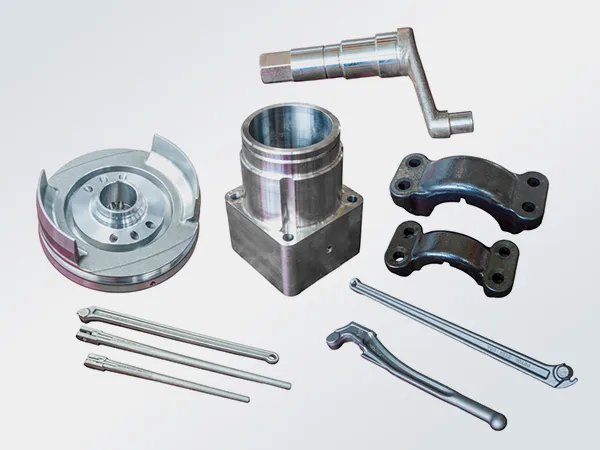
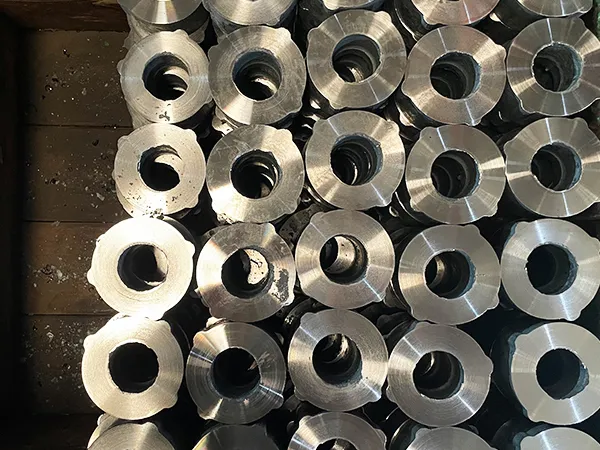
Forging Processes
    1. Closed Die Forging / Impression Die Forging
    2. Closed Die Forging / Impression Die Forging Closed-die forging is a process which uses forging equipment to apply pressure to a metal billet within a die. As the metal plastically deforms and fills the die cavity, a forging with the required shape, dimensions, and quality is produced.
    1. Open Die Forging
    2. Open Die Forging Open-die forging shapes heated metal without the use of a closed die cavity. Using forging hammers, presses, and simple tools, the material is formed through operations such as drawing out, upsetting, piercing, and bending. Without a die cavity to restrict metal flow, the material can be freely shaped into the required form.
Materials We Forge
The right alloy for every forged component
Founded in 2007, Huacheng specializes in the development and custom manufacturing of industrial metal components, with expertise in casting, forging, welding, and CNC machining. We support integrated solutions from process development through production and inspection to delivery, tailored to customer drawings and technical requirements.
Why Work With Us
    1. Manufacturing Know-How
    2. Manufacturing Know-How
      Backed by manufacturing experience since 1994, we support complex component development across a wide range of materials, production processes, and industries.
    1. Process Engineering
    2. Process Engineering
      Every project is reviewed for geometry, material, quantity, and performance requirements to determine the most efficient and cost-effective manufacturing solution.
    1. Integrated Production
    2. Integrated Production
      Casting, forging, heat treatment, CNC machining, welding, and surface finishing capabilities are coordinated through a single production workflow, reducing lead times and supplier complexity.
    1. Quality Assurance
    2. Quality Assurance
      Comprehensive inspection resources, including material verification, dimensional measurement, and non-destructive testing, ensure components meet customer specifications and industry standards.
    1. Complex Part Development
    2. Complex Part Development
      We develop approximately 300 new metal components each year, including technically challenging parts with complex geometries, internal cavities, and precision-machined features.
    1. Coordinated Supply
    2. Coordinated Supply
      As an integrated manufacturing partner, we combine multiple production processes under one project team, helping customers reduce sourcing risks, improve communication, and streamline procurement.