Open Die Forging
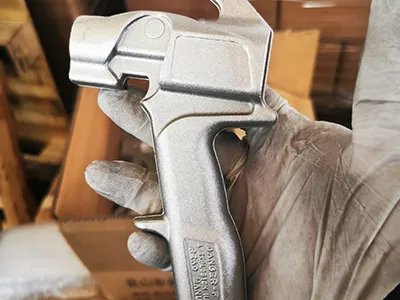
Open-die forging shapes heated metal without the use of a closed die cavity. Using forging hammers, presses, and simple tools, the material is formed through operations such as drawing out, upsetting, piercing, and bending. Without a die cavity to restrict metal flow, the material can be freely shaped into the required form.
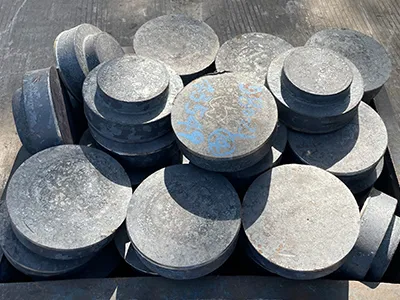
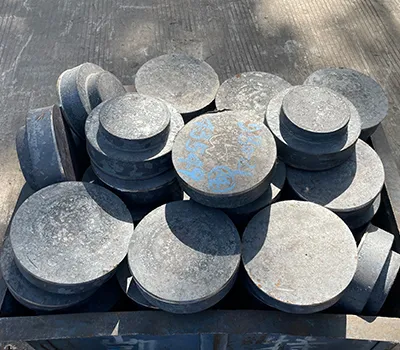 Forged Sprocket Blank
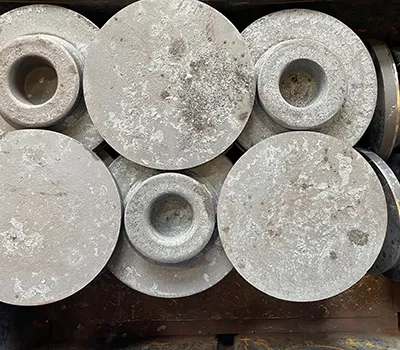 Forged Sprocket Blank
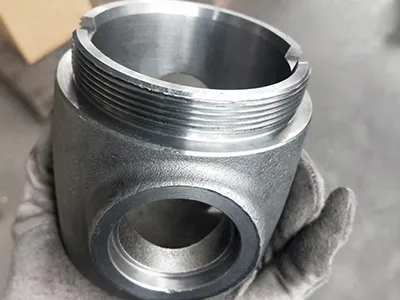
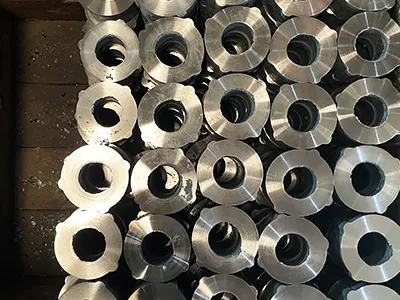
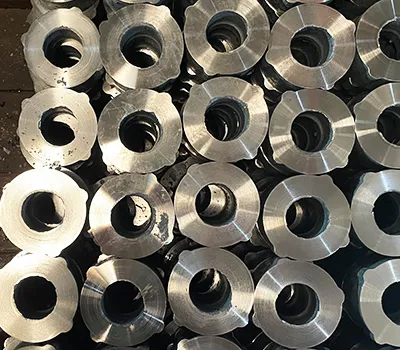 Semi-Finished Machined Sprocket
Material
- Carbon Steel
AISI/ASTM: 1020, 1045
EN: C22E (1.1151), C45E (1.1191)
JIS: S20C, S45C - Alloy Steel
AISI/ASTM: 4140, 4340
EN: 42CrMo4 (1.7225), 36CrNiMo4 (1.6511), 34CrNiMo6
JIS: SCM440, SNCM439 - Stainless Steel
AISI/ASTM: 304, 316, 316L, 410, 420
EN: 1.4301 (304), 1.4401 (316), 1.4404 (316L), 1.4006 (410), 1.4021 (420)
JIS: SUS304, SUS316, SUS316L, SUS410, SUS420J1
Processes
- Raw Material Cutting →
- Billet Heating →
- Open-Die Forging →
- Post-Forging Cooling →
- Heat Treatment →
- Cleaning & Finishing →
- Inspection & Storage
Characteristics
- Extremely Large Size and Weight Capacity
This process is suitable for producing very large and heavy-duty metal components exceeding the practical limits of closed-die forging. - No Costly Tools Required
Short setup times and flexible tooling make the process well suited for single-piece, small-batch, and custom production. - Improved Internal Structure
The forging process refines the internal structure of the material, reduces shrinkage and porosity, improving the overall mechanical properties of large metal components.
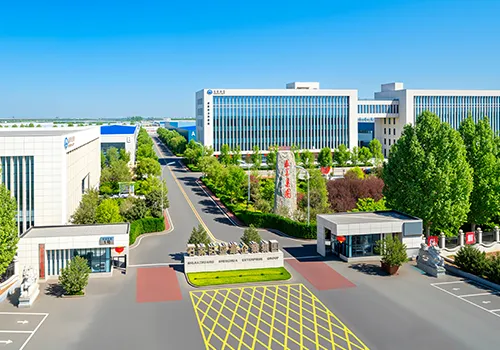
Why Choose Huacheng
- More than 30 years of manufacturing and export experience, with extensive knowledge of international logistics and industry-specific technical standards.
- Full support from tooling design and sample development through to high-volume production, precision machining, and surface treatment.
- A strict ISO 9001 quality management system, backed by CMM (coordinate measuring machine) inspection and non-destructive testing (MT, RT, PT).