
Zinc Coating & Spray Painting
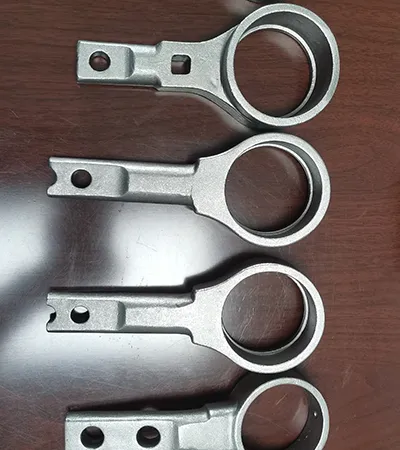 Hot-Dip Galvanized Electrical Hardware (Outdoor Use)
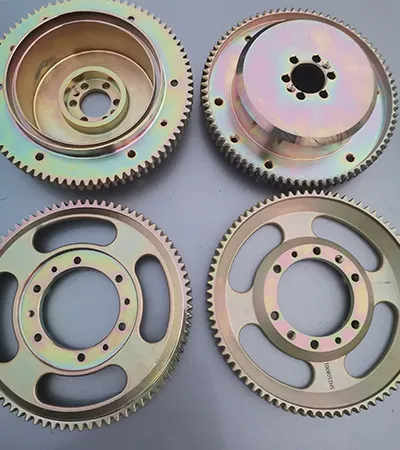 Zinc Plated Electrical Hardware (Indoor Use)
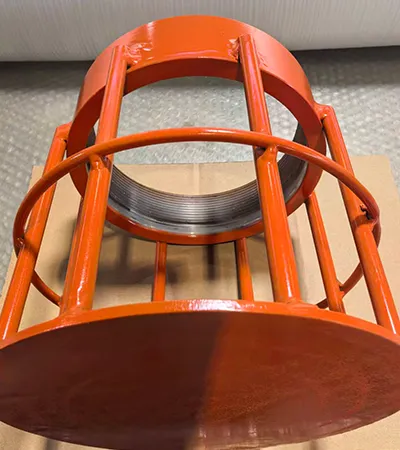 Painted Filter
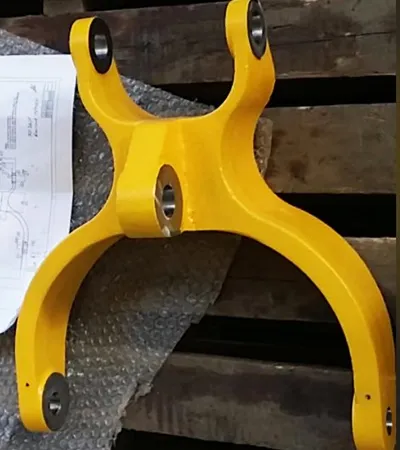 Painted Connector
Zinc electroplating (electrogalvanizing) utilizes electrolysis to deposit a layer of pure zinc onto the surface of steel components to provide rust and corrosion resistance. The process does not deform thin sheet metal or alter the hardness of the component, making it suitable for carbon steel, iron parts, stamped parts, small welded components, screws, nuts, washers, brackets, and hardware fittings.
- Coating thickness: 5 μm to 25 μm
- As zinc is stable in dry air, it is able to form a protective zinc carbonate film on the surface of the base metal in humid environments. It is able to protect the underlying steel through sacrificial corrosion even if the coating is damaged.
- The zinc coating remains intact during cold forming operations such as stamping, rolling, and bending due to its good ductility.
Hot-dip galvanizing involves immersing pretreated steel workpieces in molten zinc at approximately 450°C. The iron and zinc form a metallurgical bond, producing an iron-zinc alloy layer plus a pure zinc top layer for superior corrosion resistance.
- Total coating thickness: 60 μm to 120 μm, well beyond zinc plating
- Typical thickness for structural components: approximately 80 μm
- High level of corrosion protection available, resistant to rain, rust, acids and alkalis, making it ideal for outdoor use
- Full coverage of the entire part, including welds, holes, blind spots and corners
- The metallurgical bond resists flaking, peeling and impact damage
Spray painting applies liquid paint, either a primer with a topcoat or a topcoat alone, atomizing it through a spray gun onto the part before air-drying or low-temperature curing to form a protective, decorative finish. It suits carbon steel, welded parts, sheet metal, ironwork, equipment enclosures, and frames.
- Paint Film Thickness: 20 to 50 μm, thinner than powder coating
- Curing: air-dries at room temperature or bakes at low temperature, no high-heat curing required
- Corrosion Resistance: moderate, well below powder coating and hot-dip galvanizing
- Clear Zinc / Blue-White Zinc: Typically 12-48 hours
- Yellow Zinc: Typically 48-96 hours
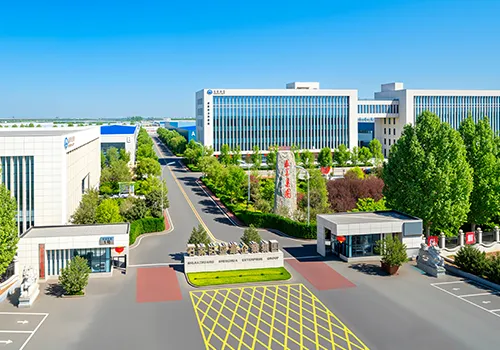
- More than 30 years of manufacturing and export experience, with extensive knowledge of international logistics and industry-specific technical standards.
- Full support from tooling design and sample development through to high-volume production, precision machining, and surface treatment.
- A strict ISO 9001 quality management system, backed by CMM (coordinate measuring machine) inspection and non-destructive testing (MT, RT, PT).