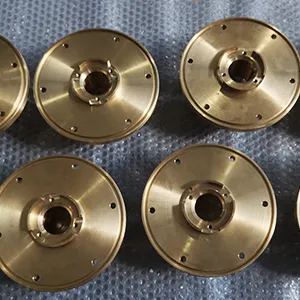
Gravity Die Casting
Gravity die casting is a casting process in which molten metal is poured into a permanent mold and fills the cavity under the force of gravity, where it solidifies naturally to form the casting.
Compared with pressure die casting, gravity die casting molds generally offer a longer service life. The process can produce components with complex geometries and localized thick sections. Since the metal molds are reusable, it is suitable for batch production. Castings produced by this process feature good surface finish and require relatively small machining allowances. However, due to its lower production efficiency, the process is generally used for small- to medium-volume production of components with wall thicknesses greater than 5 mm.
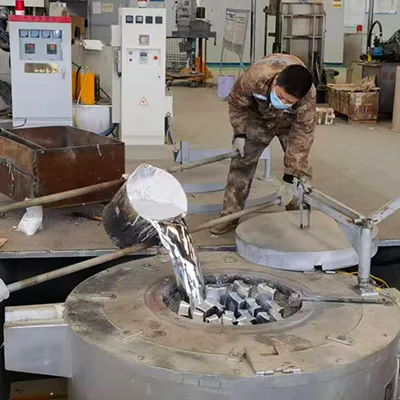 300 kg Induction Furnace
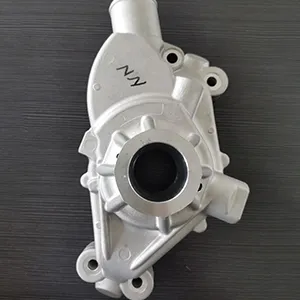
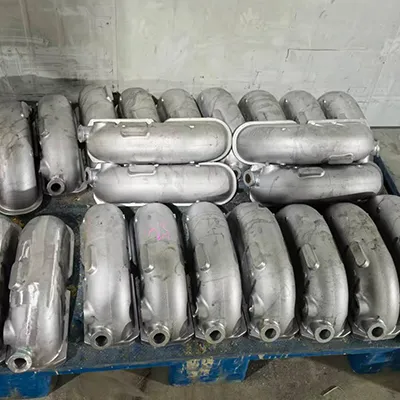 Pump Body
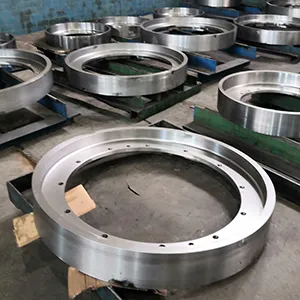
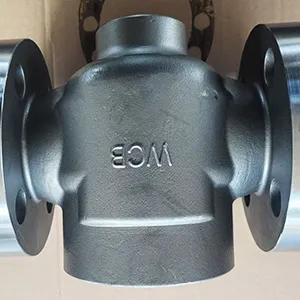
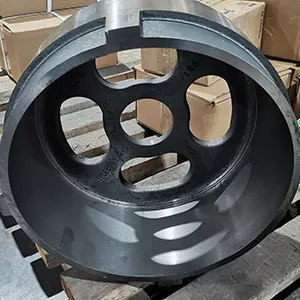
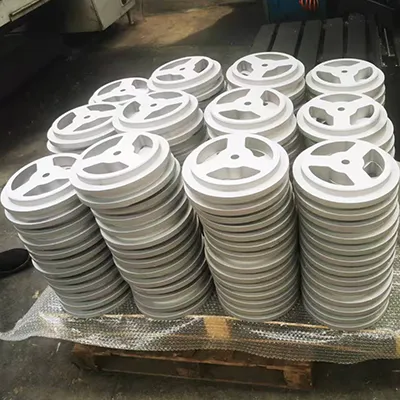 Disc Connector
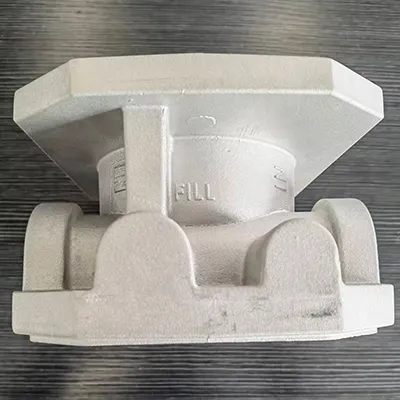 Pump Body
The gravity die casting process is suitable for the production of aluminum alloy and copper alloy components. Among these materials, aluminum alloys are the most commonly used in industrial production.
- Aluminum Alloys: ZL101, ZL102, ZL104, ZL109, ZL201, ZL203, ZL301, ZL302, ZL401
- Copper Alloys: ZCuSn10Pb1, ZCuZn38, ZCuAl10Fe3
| Dimensional Tolerance | CT7-CT8 (in accordance with ISO 8062; wall thickness tolerance: CT9) |
| Surface Roughness | Ra 6.3~12.5 μm |
| Minimum Wall Thickness | 5mm |
| Part Weight Range | 0.5kg – 50kg |
| Typical Maximum Part Size | Length ≤800mm × Width ≤600mm |
- Mold Preheating →
- Coating Application →
- Mold Closing →
- Molten Metal Pouring →
- Gravity Filling →
- Solidification and Cooling →
- Mold Opening and Casting Removal →
- Gate and Riser Removal →
- Grinding and Finishing →
- Heat Treatment (Optional) →
- Quality Inspection and Storage

- More than 30 years of manufacturing and export experience, with extensive knowledge of international logistics and industry-specific technical standards.
- Full support from tooling design and sample development through to high-volume production, precision machining, and surface treatment.
- A strict ISO 9001 quality management system, backed by CMM (coordinate measuring machine) inspection and non-destructive testing (MT, RT, PT).